



Histamine Receptor
Histamine Receptors are a class of G protein-coupled receptors with histamine as their endogenous ligand. There are four known histamine receptors: H1 receptor, H2 receptor, H3 receptor, H4 receptor. The H1 receptor is a histamine receptor belonging to the family of Rhodopsin-like G-protein-coupled receptors. This receptor, which is activated by the biogenic amine histamine, is expressed throughout the body, to be specific, in smooth muscles, on vascular endothelial cells, in the heart, and in the central nervous system. H2 receptors are positively coupled to adenylate cyclase via Gs. It is a potent stimulant of cAMP production, which leads to activation of Protein Kinase A. Histamine H3 receptors are expressed in the central nervous system and to a lesser extent the peripheral nervous system, where they act asautoreceptors in presynaptic histaminergic neurons, and also control histamine turnover by feedback inhibition of histamine synthesis and release. The Histamine H4 receptor has been shown to be involved in mediating eosinophil shape change and mast cell chemotaxis.
Histamine Receptor Isoform Specific Products
All Product Categories
-
Histamine Receptor Inhibitors
(196)
View all products
-
Histamine Receptor Agonists
(66)
View all products
-
Histamine Receptor Antagonists
(495)
View all products
-
Histamine Receptor Activators
(5)
View all products
-
Histamine Receptor Modulators
(20)
View all products
-
Histamine Receptor Controls
(9)
View all products
-
Histamine Receptor Ligands
(2)
View all products
-
Histamine Receptor Related Products (859)
Related Products (859)

-
Antibodies (2)
-
Histamine Receptor Isoform Comparison
-
Decloxizine dihydrochloride
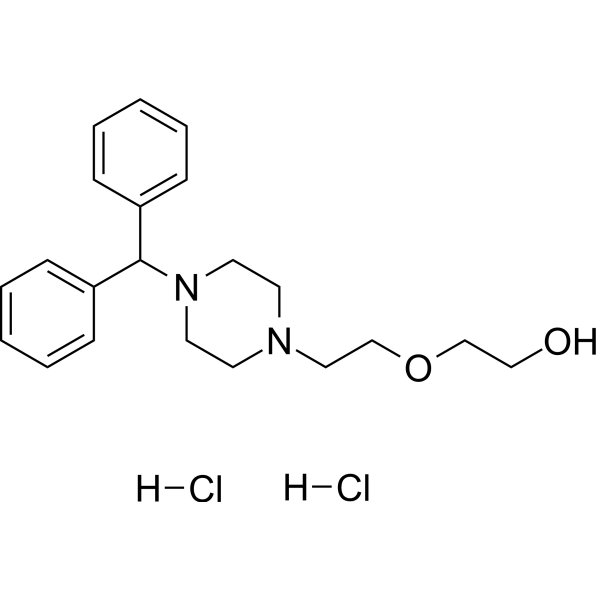 0 ImagesSynonyms: UCB 1402 dihydrochloride; NSC289116 dihydrochlorideDecloxizine (UCB-1402; NSC289116) dihydrochloride is an orally active bronchodilator that can penetrate the blood-brain barrier. Decloxizine dihydrochloride is a piperazine-type H1 histamine receptor antagonist. Decloxizine dihydrochloride selectively blocks H1 histamine receptors, inhibiting histamine-induced capillary dilation, edema, and itching. Decloxizine dihydrochloride has some 5-HT2 receptor antagonistic activity. Decloxizine dihydrochloride can be used in studies of urticaria, allergic rhinitis, and bronchial asthma.
-
Nizatidine
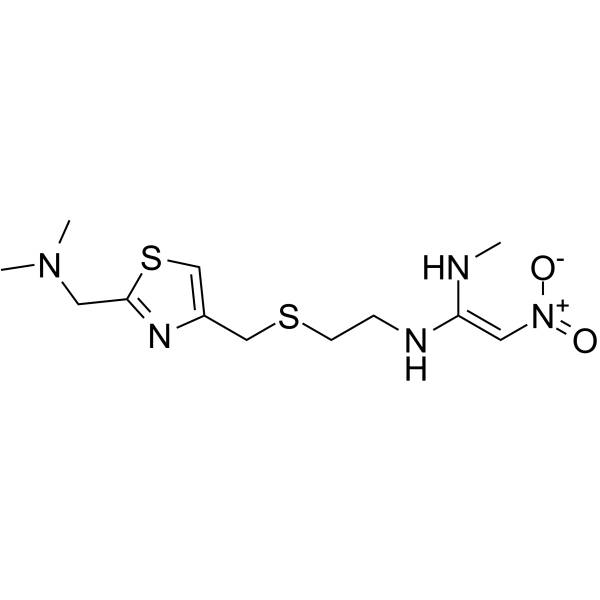 0 ImagesNizatidine is a potent and orally active histamine H2 receptor antagonist, can be used for the research of stomach and intestines ulcers. Nizatidine works by decreasing the secretion of gastric acid the stomach makes and prevent ulcers from coming back after they have healed in animal models.
-
Dimenhydrinate
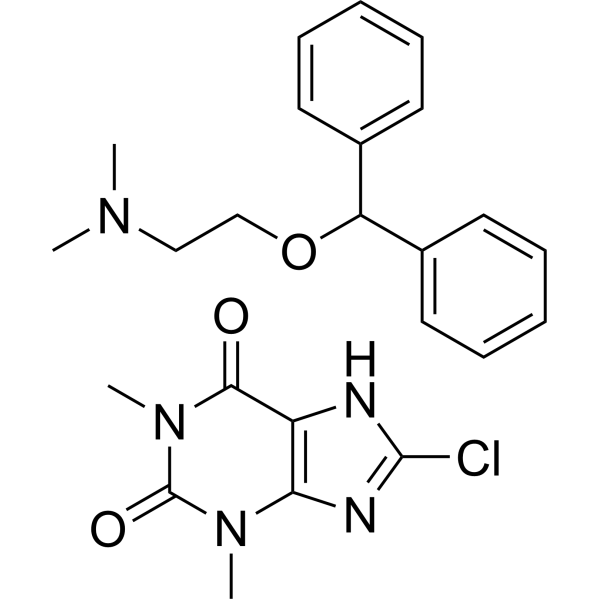 0 ImagesDimenhydrinate is an orally active H1-antihistamine consisting of Diphenhydramine (HY-B0303) and 8-Chlorotheophylline. Dimenhydrinate is used to prevent nausea, vomiting, dizziness, and vertigo associated with motion sickness.
-
N-Methylhistamine dihydrochloride
 0 ImagesSynonyms: Nα-Methylhistamine dihydrochlorideN-Methylhistamine dihydrochloride (Nα-Methylhistamine dihydrochloride) is a non-selective Histamine receptor agonist. N-Methylhistamine dihydrochloride activates histamine H1, H2 and H3 receptors; it stimulates central H1 receptors by activating sympathetic α and β adrenergic receptors to inhibit intestinal transit, exerts dose-dependent inhibition on intestinal transit, reduces histamine turnover in mouse brains, and increases gastric acid secretion without altering plasma gastrin concentrations. N-Methylhistamine dihydrochloride produces a pH-dependent, voltage-independent potentiating effect on acid-sensing ion channel 1a, and shows no significant activity toward homologous ASIC2a channels. N-Methylhistamine dihydrochloride can be used in studies related to Helicobacter pylori infection.
-
NP10679
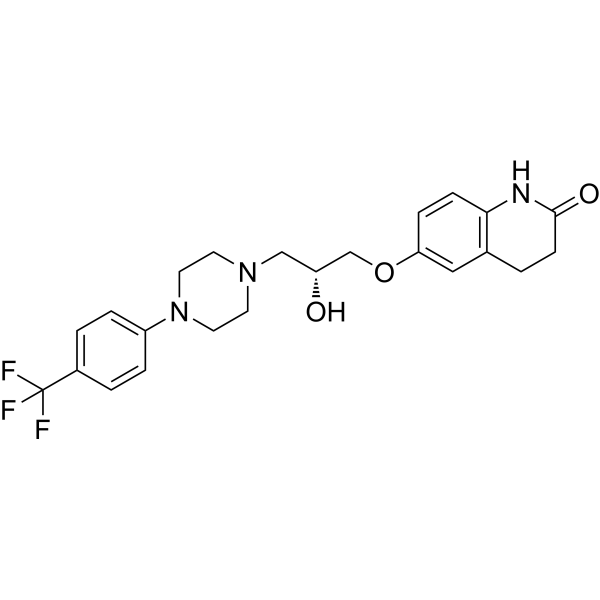 0 ImagesCat. No.: HY-148825Purity: 98.40%NP10679 is a selective, pH dependent GluN2B subunit-specific N-methyl-D-aspartate (NMDA) receptor inhibitor with high oral bioavailability and good brain penetration. NP10679 inhibits GluN2B with IC50s of 23 and 142 nM at pH 6.9 and 7.6, respectively. NP10679 is a histamine H1 antagonist and a hERG channel inhibitor with IC50s of 73 and 620 nM, respectively. NP10679 is a reversible inhibitor of human liver CYP enzymes.
-
4-Methylhistamine dihydrochloride
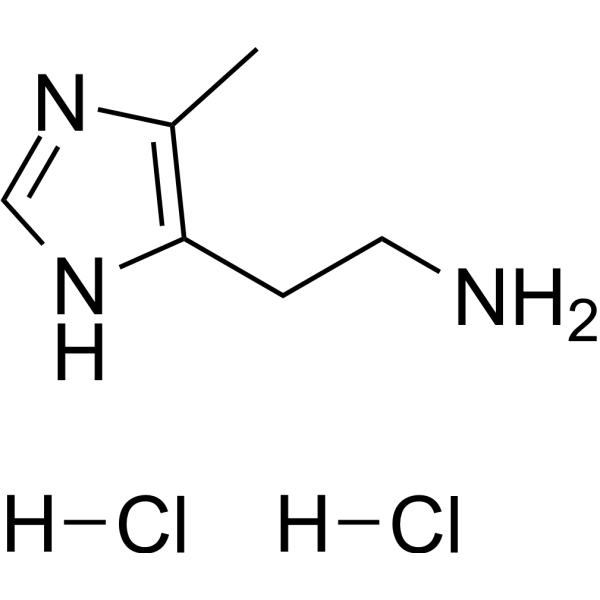 0 Images4-Methylhistamine hydrochloride is the dihydrochloride salt of 4-Methylhistamine (HY-W580721). 4-Methylhistamine hydrochloride is a potent and selective agonist of histamine 4 receptor (H4R) with a Ki of 50 nM. 4-Methylhistamine hydrochloride has a >100-fold selectivity for the hH4R over the other histamine receptor subtypes. 4-Methylhistamine hydrochloride can potently activate the hH4R (pEC50 = 7.4). 4-Methylhistamine hydrochloride can be used for the researches of cancer, inflammation and immunology, such as lung cancer and skin inflammation.
-
Zotepine
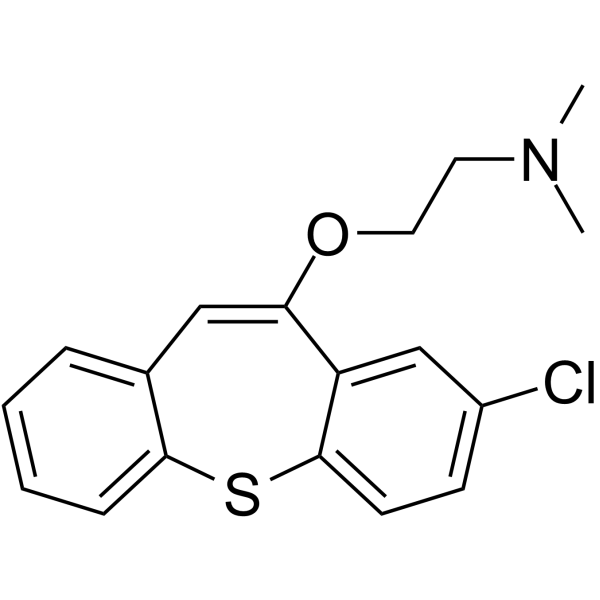 0 ImagesZotepine, an antipsychotic agent, is a potent antagonist of 5-HT2A, 5-HT2C, Histamine H1, α1-adrenergic and Dopamine D2 receptors, with Kds of 2.6 nM, 3.2 nM, 3.3 nM, 7.3 nM and 8 nM, respectively. Zotepine exhibits antidepressive and anxiolytic effects in vivo.
-
Triprolidine hydrochloride monohydrate
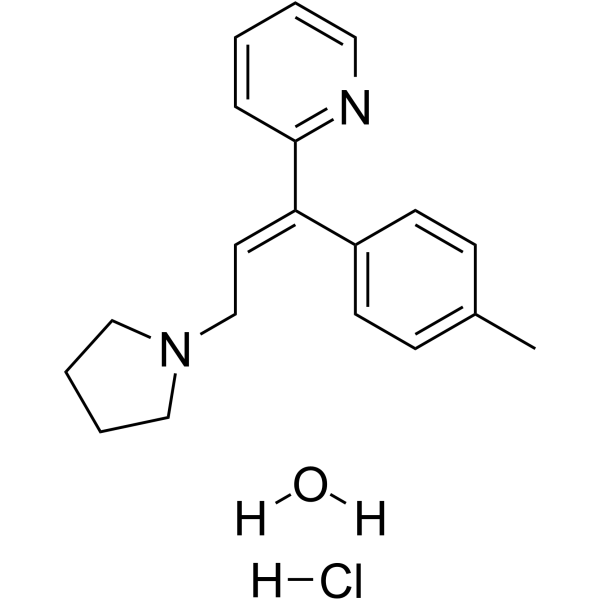 0 ImagesTriprolidine hydrochloride monohydrate, a first-generation antihistamine, is an oral active histamine H1 antagonist. Triprolidine hydrochloride monohydrate can be used for the research of allergic rhinitis. Triprolidine hydrochloride monohydrate exhibits spinal motor and sensory block in rats.
-
Methapyrilene hydrochloride
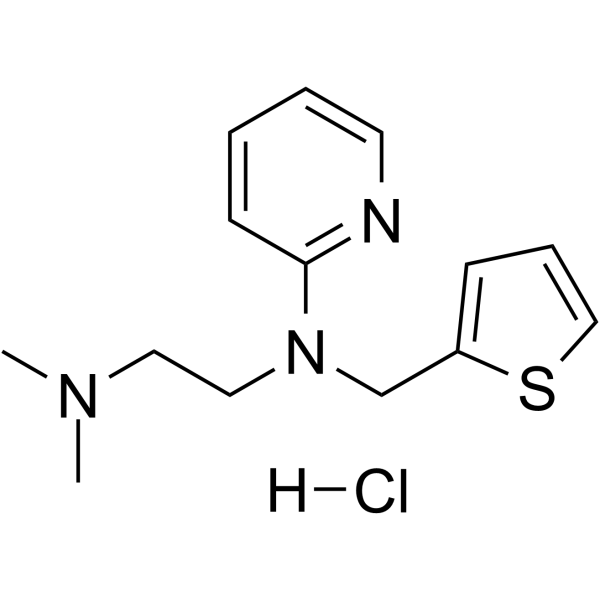 0 ImagesMethapyrilene (Thenylpyramine) hydrochloride is an orally active H1-receptor antihistamine and an anticholinergic agent of the pyridine chemical class. Methapyrilene hydrochloride has hepatotoxicity and can be used as a hepatotoxin that cause periportal hepatic necrosis in vivo
-
GSK239512
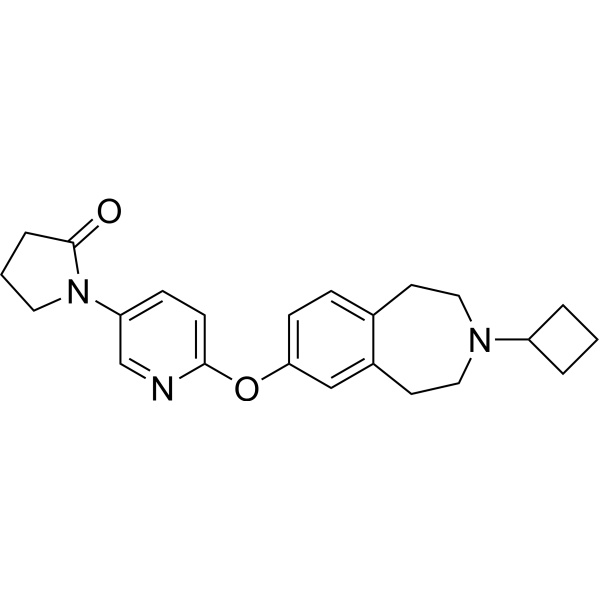 0 ImagesGSK239512 is a blood-brain barrier-permeable, orally active H3 receptor antagonist, with a human pKi ranging from <5.5 to 9.92 and a murine pKi ranging from 9.44 to 9.83. GSK239512 modulates cholinergic and monoaminergic neurotransmission, blocks the inhibitory feedback of H3 receptors, and increases the release of pro-cognitive neurotransmitters. GSK239512 induces oligodendrocyte precursor cell differentiation and restores myelin gene expression at the cellular level. GSK239512 reverses Scopolamine (HY-N0296)-induced memory deficits and improves recognition memory in animal models. GSK239512 can be used in research related to Alzheimer's disease, chronic traumatic encephalopathy, relapsing-remitting multiple sclerosis, and schizophrenia.
-
Rupatadine Fumarate
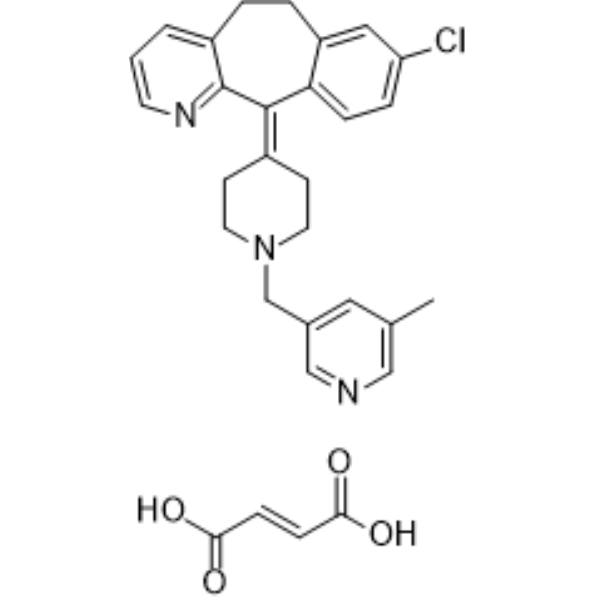 0 ImagesSynonyms: UR-12592 FumarateRupatadine (UR-12592) Fumarate is a potent, orally active and long-lasting dual PAF/H1 antagonist, with Kis of 0.55 μM and 0.1 μM, respectively. Rupatadine Fumarate can be used for the research of allergic rhinitis and urticaria.
-
Asenapine hydrochloride
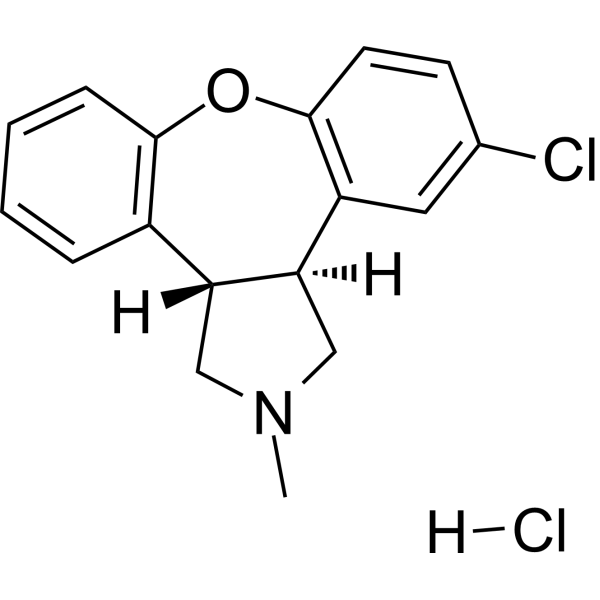 0 ImagesSynonyms: Org 5222 hydrochlorideAsenapine (Org 5222) hydrochloride, an atypical antipsychotic, is an antagonist of serotonin receptors (pKi: 8.4-10.5), adrenoceptors (pKi: 8.9-9.5), dopamine receptors (pKi: 8.9-9.4) and histamine receptors (pKi: 8.2-9.0). Asenapine hydrochloride can be used in the research of schizophrenia and bipolar disorderr.
-
Levocetirizine dihydrochloride
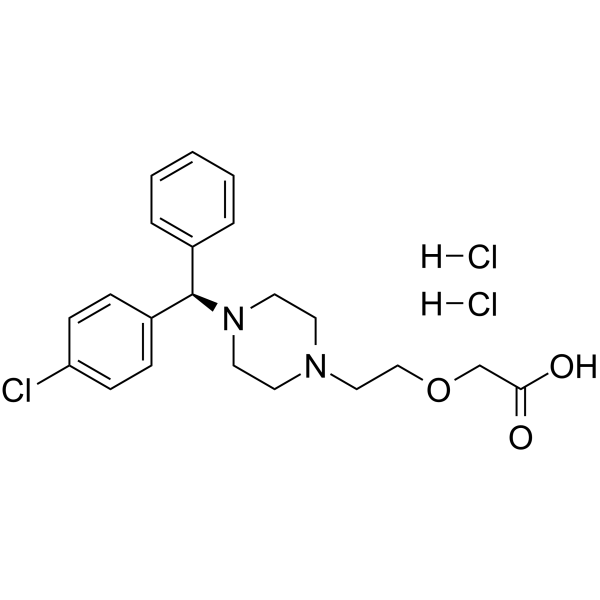 0 ImagesSynonyms: (R)-Cetirizine dihydrochlorideLevocetirizine dihydrochloride ((R)-Cetirizine dihydrochloride) is a third-generation peripheral H1-receptor antagonist. Levocetirizine dihydrochloride is an antihistaminic agent which is the R-enantiomer of Cetirizine. Levocetirizine dihydrochloride has a higher affinity for the histamine H1-receptor than (S)-Cetirizine and can effectively treat allergic rhinitis and chronic idiopathic urticaria.
-
GSK189254A
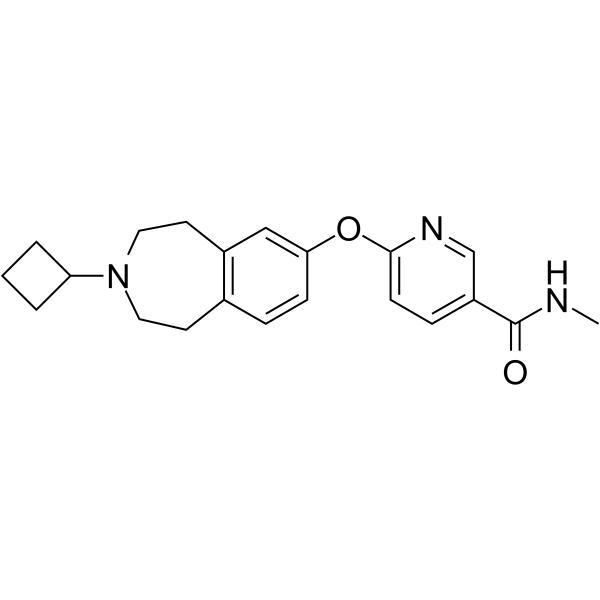 0 ImagesSynonyms: GSK189254 free baseGSK189254A (GSK189254 free base) is a novel, potent and selective histamine H3 receptor antagonist with pKi values of 9.59-9.90 and 8.51-9.17 for human and rat H3, respectively.
-
Diphenhydramine-d5 hydrochloride
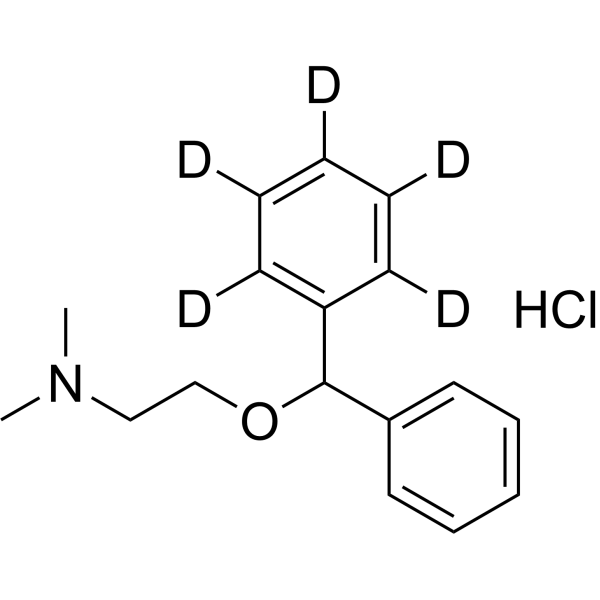 0 ImagesDiphenhydramine-d5 (hydrochloride) is the deuterium labeled Diphenhydramine hydrochloride. Diphenhydramine hydrochloride is a first-generation histamine H1-receptor antagonist with anti-cholinergic effect. Diphenhydramine hydrochloride can across the ovine blood-brain barrier (BBB).
-
Histamine (Standard)
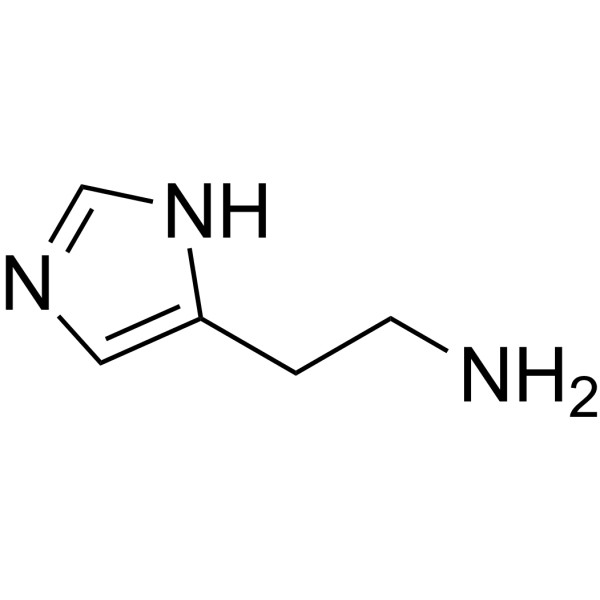 0 ImagesHistamine (Standard) is the analytical standard of Histamine (HY-B1204). This product is intended for research and analytical applications. Histamine is the agonist for histamine receptor and a vasodilator. Histamine is an organic nitrogen compound that participates in local immune responses, regulates intestinal physiological functions, and acts as a neurotransmitter. Histamine affects p38 MAPK/Akt signaling pathway, exhibits antitumor, antioxidant and anti-inflammatory activities. Histamine can be used in the research of acute myeloid leukemia, malignant melanoma, and renal cell carcinoma.
-
Dexchlorpheniramine maleate
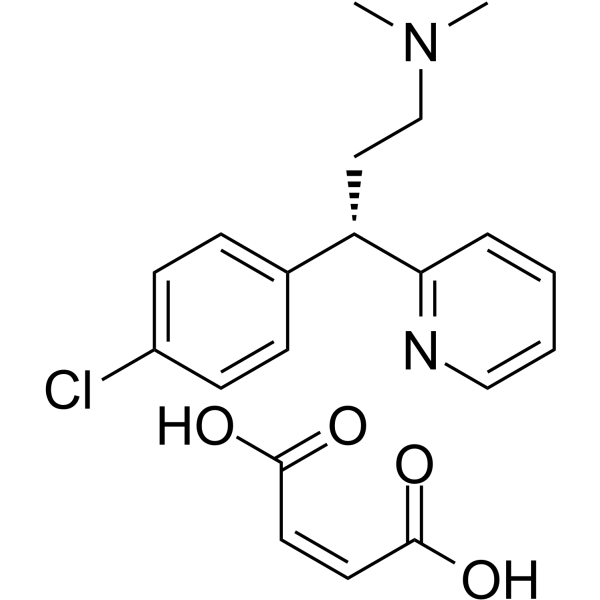 0 ImagesDexchlorpheniramine maleate is an orally taken anti-histamine that has anti-inflammatory, anti-irritant, anti-allergic, and skin barrier effects. Dexchlorpheniramine maleate inhibits myocardial contraction in rats. Dexchlorpheniramine maleate can be used in studies of allergic rhinitis.
-
Diphenhydramine-d6 hydrochloride
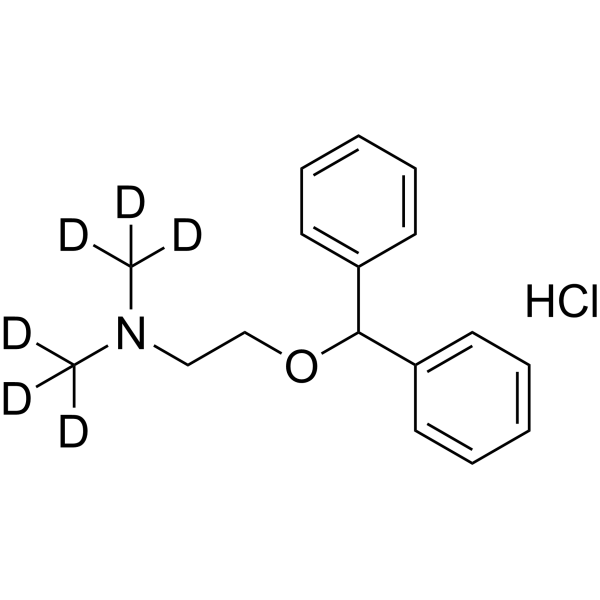 0 ImagesDiphenhydramine-d6 (hydrochloride) is the deuterium labeled Diphenhydramine hydrochloride. Diphenhydramine hydrochloride is a first-generation histamine H1-receptor antagonist with anti-cholinergic effect. Diphenhydramine hydrochloride can across the ovine blood-brain barrier (BBB).
-
(R)-(-)-α-Methylhistamine dihydrochloride
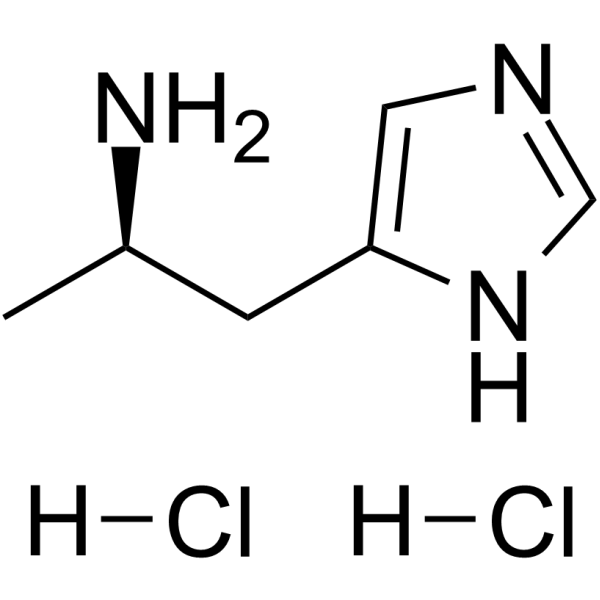 0 Images(R)-(-)-α-Methylhistamine dihydrochloride is a potent, selective and brain-penetrant agonist of H3 histamine receptor, with a Kd of 50.3 nM. (R)-(-)-α-Methylhistamine dihydrochloride can enhance memory retention, attenuates memory impairment in rats.




